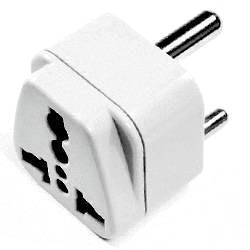
Understanding the Different Types of Adapters: A Comprehensive Guide
When it comes to technology, the term adapter refers to a device that enables compatibility between two different systems or components. There are several types of adapters, each serving distinct purposes. For example, AC to DC adapters convert power from an electric outlet into a usable form for various electronic devices, while USB adapters facilitate connections between different USB types, such as USB-A to USB-C. Understanding these differences is crucial for selecting the right adapter for your needs, ensuring optimal performance and functionality.
Another category includes audio/video adapters, which are essential for connecting devices that utilize varying formats. Some common examples include:
- HDMI adapters for high-definition visual and audio transfer
- VGA to HDMI converters for connecting older monitors to modern devices
- Bluetooth adapters that allow non-Bluetooth devices to connect wirelessly
By familiarizing yourself with these different types of adapters, you can better navigate the complexities of modern devices and make informed choices that enhance your technological experience.
Counter-Strike is a highly competitive first-person shooter that has captivated gamers for years. Players can choose to fight as terrorists or counter-terrorists, working as a team to complete objectives or eliminate the opposing side. To enhance your gaming setup, check out the Top 10 usb c accessories that can improve your performance and overall experience.
How Adapters Facilitate Seamless Connectivity in Our Daily Lives
Adapters play a crucial role in ensuring seamless connectivity in our daily lives, bridging the gap between different devices and technologies. In an age where we rely heavily on various gadgets—smartphones, laptops, tablets, and smart home devices—connectivity is paramount. Adapters enable us to connect devices that may use different ports or protocols. For instance, a simple USB-C to HDMI adapter allows us to share our laptop screen on a larger display, enhancing our productivity and entertainment experience. Without these small yet vital tools, our ability to communicate and access information would be severely limited.
Moreover, the adaptability of these tools extends beyond mere device connection. Many adapters are designed to support multiple functions, allowing for charge and data transfer simultaneously. This versatility is particularly evident in the world of audio and video technology, where adapters convert signals to ensure compatibility between various formats. As our everyday gadgets continue to evolve, embracing new technologies like wireless connectivity and fast charging, the importance of these adapters will only grow, enabling a more integrated and efficient electronic ecosystem.
What Are the Most Common Issues with Adapters and How to Fix Them?
When using adapters, there are several common issues that users encounter. One of the most prevalent problems is incompatibility with specific devices or ports. This can lead to issues such as poor connectivity or complete failure to establish a connection. For instance, some USB-C adapters may not support power delivery, causing charging problems for devices that require higher wattage. Additionally, physical damage to the adapter, like frayed cables or broken connectors, can drastically affect its functionality, leading to intermittent connections or no connection at all.
To fix these issues, first check compatibility before purchasing an adapter; always ensure that it meets the specifications of your devices. If you encounter connection problems, try using the adapter with different devices to isolate the issue. If the adapter is physically damaged, it may be best to replace it. If you're experiencing poor signal quality, consider using a higher-quality adapter, as they often feature better materials and manufacturing standards. Keeping your devices updated can also help as sometimes software updates enable better compatibility with existing adapters.