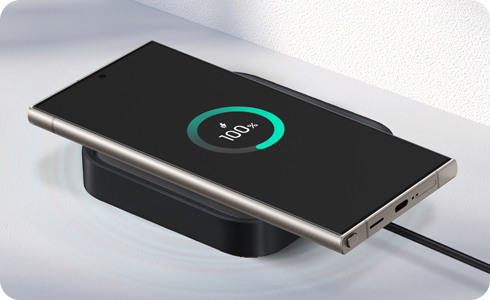
10 Ways Smart Power Solutions Can Transform Your Everyday Life
In an increasingly energy-conscious world, smart power solutions are revolutionizing the way we manage our daily electricity consumption. Here are 10 ways these innovative technologies can transform your everyday life:
- Energy Efficiency: Smart power solutions optimize energy usage, reducing wastage and often leading to lower utility bills.
- Remote Monitoring: With smart devices, you can monitor your energy consumption from anywhere, allowing you to manage your usage effectively.
- Automated Control: Smart systems can automatically adjust power settings based on your habits, ensuring you're using energy only when needed.
- Integration with Renewable Energy: Smart power solutions can seamlessly integrate with solar panels or wind turbines, maximizing your use of renewable energy sources.
Beyond just energy savings, smart power solutions also enhance convenience and security. For instance, smart home systems can allow you to control lighting and appliances through your smartphone, offering comfort at your fingertips. Additionally, these solutions can improve safety with features such as:
- Real-time Alerts: Get notified of power outages or unusual activity, helping safeguard your home.
- Smart Thermostats: These devices learn your preferences, ensuring your home is comfortable when you're there and saving energy when you're not.
- Smart Plugs: Control power to devices remotely and schedule them to turn off automatically to reduce energy consumption.
Counter-Strike is a highly popular team-based first-person shooter game that has captivated millions of players worldwide. Known for its competitive gameplay and strategic depth, it allows players to assume the role of either terrorists or counter-terrorists in various game modes. For those who love to travel, finding the right gear is essential, and you can discover the Top 10 iPhone travel accessories that are perfect for enhancing your journey.
How to Choose the Right Energy-Saving Devices for Your Home
Choosing the right energy-saving devices for your home can significantly reduce your utility bills and contribute to a more sustainable environment. Start by evaluating your current energy consumption by reviewing your electricity bills and identifying areas where you can reduce usage. Consider devices such as LED light bulbs, which use up to 75% less energy than traditional incandescent bulbs, or smart thermostats that optimize heating and cooling based on your schedule. Research products that have the Energy Star label, as these are certified to meet strict energy efficiency guidelines.
Once you have a list of potential energy-saving devices, compare their features, costs, and reviews. Look for appliances that offer smart technology capabilities, which allow you to monitor and control energy usage remotely. You can also filter by energy consumption ratings; for instance, devices that operate with lower watts without sacrificing performance are excellent choices. Additionally, consider long-term savings versus initial investment—while some devices may have higher upfront costs, they can save you money in the long run through reduced energy bills.
Are Smart Power Solutions Worth the Investment?
In today's rapidly evolving technological landscape, smart power solutions are becoming an essential part of energy management for both residential and commercial sectors. These advanced systems offer a range of benefits, from increased energy efficiency to enhanced control over energy consumption. However, the question remains: are they truly worth the investment? Many users have reported significant cost savings and a noticeable reduction in their carbon footprint, making the initial investment seem more palatable. Moreover, with the integration of smart grids and renewable energy sources, relying on conventional power solutions is becoming less sustainable.
When considering the value of smart power solutions, it is crucial to take into account factors such as long-term savings and potential rebates from government initiatives. Implementing these systems can lead to reductions in energy bills by optimizing energy usage during peak and off-peak hours. Additionally, features like real-time monitoring and data analytics empower users to make informed decisions about their energy consumption patterns. Ultimately, while the upfront costs may be higher compared to traditional systems, the long-term benefits can outweigh these expenses, making smart power solutions a wise investment for the future.