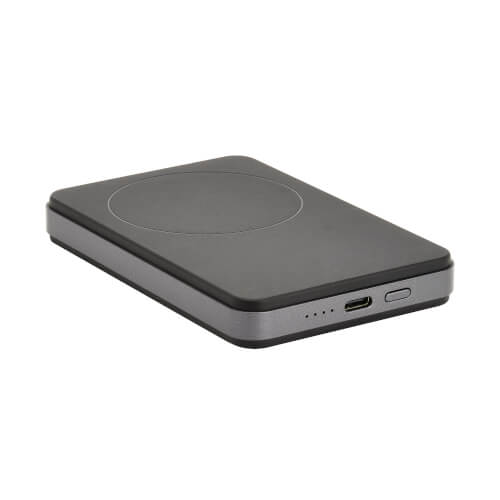
Understanding Wireless Power Transfer: How It Works and Its Applications
Wireless Power Transfer (WPT) is an innovative technology that enables the transmission of electrical power without the need for physical connectors or wires. It operates on the principle of electromagnetic fields, where energy is transferred through inductive coupling, resonant inductive coupling, or microwave radiation. In inductive coupling, for example, power is transferred between two coils: a transmitter coil generates a magnetic field, which induces a current in a receiver coil. This method is widely used in applications like wireless charging pads for smartphones and electric vehicles, making the charging process more convenient and efficient for users.
The applications of Wireless Power Transfer are vast and growing. Beyond consumer electronics, WPT is finding its way into numerous sectors such as healthcare, where it powers medical implants without invasive procedures. Additionally, in the realm of transportation, wireless charging systems are being developed for public transport systems and roadways, potentially reducing downtime for electric vehicles. As technology advances, the potential for WPT to revolutionize power distribution and enhance user experience will only continue to expand.
Counter-Strike is a highly popular first-person shooter game that has captivated players since its initial release. Known for its team-based gameplay, it offers intense competitive matches where players choose to play as either terrorists or counter-terrorists. If you're looking for an efficient way to keep your devices charged while gaming, check out the Top 10 Nightstand Charging Docks for iPhone, which can help you stay powered up during long gaming sessions.
The Benefits and Challenges of Wireless Charging Technology
Wireless charging technology offers numerous benefits that enhance convenience and usability for consumers. One of the main advantages is the ease of use: simply place your device on a charging pad, and it begins to charge without the hassle of tangled cords. This technology also promotes a cleaner, more organized environment, reducing clutter associated with multiple charging cables. Additionally, many modern wireless chargers support fast charging capabilities, allowing devices to power up quickly and efficiently. Furthermore, wireless charging often extends the lifespan of your devices' battery by minimizing wear associated with frequent plugging and unplugging.
However, despite the advantages, there are notable challenges that come with wireless charging technology. One primary concern is the efficiency of power transfer, which can be significantly lower than traditional wired charging methods. Users may also experience heat generation during charging, potentially impacting device performance or longevity. Additionally, the compatibility of different devices with various charging pads can pose a challenge, as not all models adhere to universal standards like Qi. As the technology continues to evolve, addressing these challenges will be crucial for its widespread adoption and usability.
Is Wireless Charging the Future? Exploring Consumer Perspectives and Trends
The rise of wireless charging technology has sparked significant interest among consumers and industry experts alike. Many believe that the shift towards this innovative charging method signifies a pivotal moment in our relationship with technology. As more devices become compatible with wireless charging, such as smartphones, smartwatches, and even electric vehicles, consumer viewpoints are evolving. According to recent surveys, approximately 65% of users find the convenience of wireless charging—eliminating tangled cords and providing effortless power—appealing. However, concerns over charging speed and device compatibility continue to surface, leading consumers to weigh the benefits against potential drawbacks.
As we delve deeper into the trends surrounding wireless charging, it's essential to consider the broader implications for consumer behavior. The increasing integration of wireless charging stations in public spaces, such as cafes and transportation hubs, demonstrates the growing demand for this technology. Many consumers express a desire for more eco-friendly options, and wireless charging could lead to a decrease in cable waste over time. However, as the technology continues to evolve, key factors such as charging efficiency, safety, and cost-effectiveness will ultimately dictate its adoption. In the coming years, monitoring these trends will help clarify if indeed wireless charging is paving the way for the future of energy solutions.