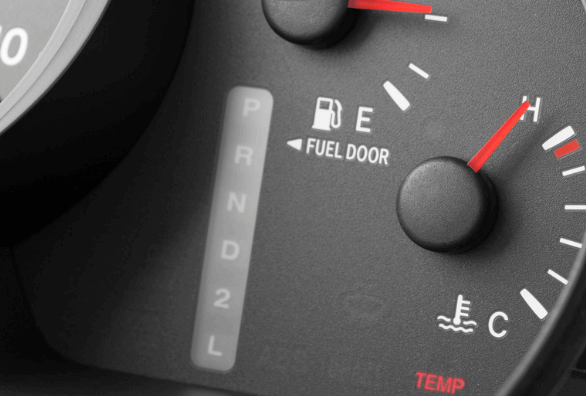
Uncovering the Hidden Triggers: What Else Could Be Heating You Up?
Many people struggle with unexplained feelings of warmth or heat, often attributing it to environmental factors or health conditions. However, hidden triggers can frequently be the culprits behind these sensations. For instance, certain foods, beverages, and lifestyle choices can elevate your body's temperature without you even realizing it. Caffeine and alcohol are common offenders, as they can kickstart your metabolism and lead to increased body heat. Moreover, anxiety and stress can also act as hidden triggers, causing your body to react with a fight or flight response that includes an elevation in body temperature.
Additionally, hormonal fluctuations, particularly during menopause or menstrual cycles, can contribute to sudden feelings of warmth. It's essential to consider these hidden triggers when assessing your body's reaction to different stimuli. To manage these unexpected episodes, keeping a diary of your daily activities, meals, and stress levels can help identify patterns that lead to overheating. By pinpointing these factors, you can take proactive steps to mitigate discomfort and maintain a balanced body temperature.
Counter-Strike is a highly popular first-person shooter game that has become a staple in the esports community. Players can choose to play as either terrorists or counter-terrorists in various game modes, with the primary objective typically involving planting or defusing bombs, capturing hostages, or eliminating the opposing team. To enhance your gaming experience, you might want to invest in Top 10 Laptop Accessories to Prevent Overheating, ensuring your laptop runs smoothly during intense matches.
Not Just the Weather: Unexpected Factors Behind Your Overheating Symptoms
When we think of overheating symptoms, our minds often jump to the obvious culprit: the weather. However, various unexpected factors can contribute to feeling overheated, regardless of the temperature outside. For instance, engaging in high-intensity exercise can elevate your body temperature significantly, leading to symptoms like excessive sweating, dizziness, and fatigue. Additionally, consuming spicy foods or hot beverages can trigger similar reactions by increasing your body’s internal heat production, making you feel uncomfortably warm even in a cool environment.
Another important factor to consider is stress. When faced with anxiety or stressful situations, your body releases hormones such as adrenaline and cortisol, which can disrupt normal temperature regulation and lead to overheating symptoms. Dehydration also plays a crucial role; without adequate hydration, your body struggles to maintain a stable temperature. In fact, staying well-hydrated can help mitigate these symptoms significantly. Thus, it’s essential to recognize that overheating is not solely a result of the outside temperature but can stem from a combination of internal and external influences.
Are You Overheating? Here Are the Surprising Causes You Might Not Have Thought Of
Are you constantly feeling the heat, even when the weather is mild? You might be surprised to learn that overheating can stem from several unexpected sources. For instance, certain medications can interfere with your body's ability to regulate temperature. Antidepressants, antihistamines, and even some blood pressure medications can contribute to overheating. Additionally, stress can cause your body to produce excess heat; when you are under pressure, your body reacts with an increase in metabolic activity, potentially leaving you feeling overheated.
Another surprising cause of overheating is poor hydration. It might seem counterintuitive, but not drinking enough water can lead to your body overheating as it struggles to cool itself down. Furthermore, environmental factors like wearing non-breathable clothing can trap heat and prevent sweat from evaporating, intensifying feelings of discomfort. Finally, consider reviewing your diet; spicy foods can temporarily raise your body temperature, making you feel warmer than usual. Identifying these lesser-known causes can help you manage and mitigate overheating in your daily life.