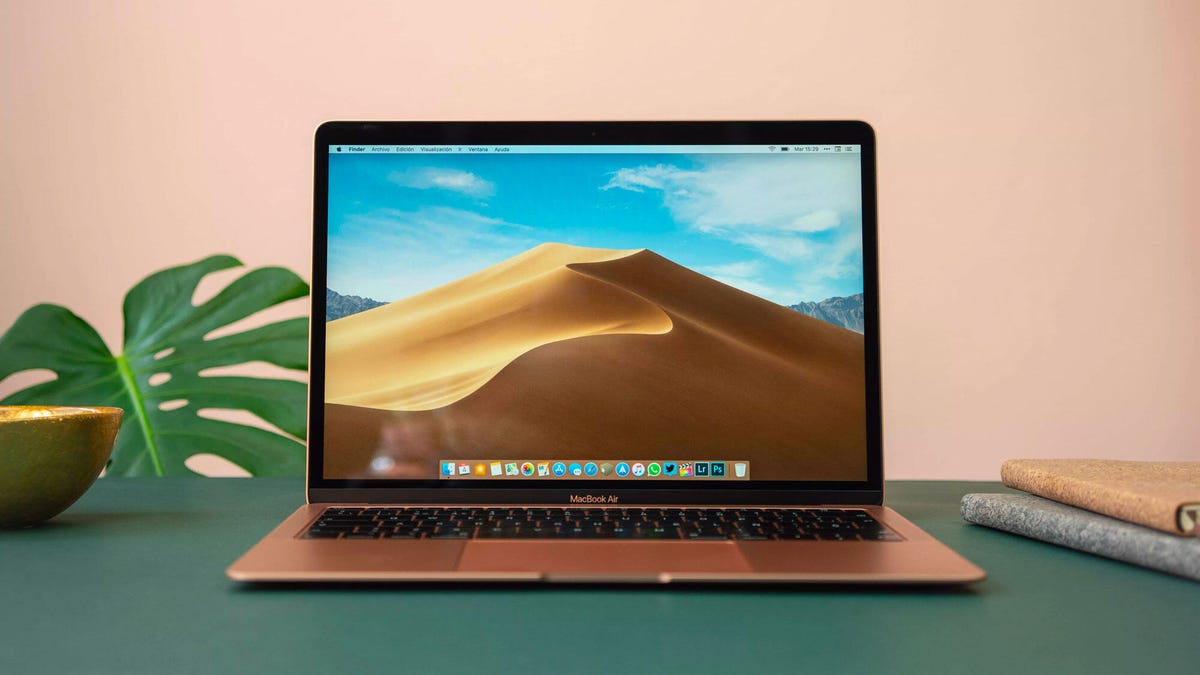
Debunking Common Misconceptions: 5 Myths About Macs You Should Know
When it comes to Macs, there are a multitude of myths circulating that can cloud the judgment of potential users. One prevalent misconception is that Macs are completely immune to viruses and malware. While it is true that macOS has built-in security features that make it less vulnerable than some other operating systems, it is not impervious. As Macs gain popularity, they become more attractive targets for cyber threats. It is essential for users to maintain best practices for cybersecurity, such as using antivirus software and being cautious about downloads.
Another myth surrounding Macs is their supposed superiority in performance compared to Windows PCs. While it is well-known that Macs are favored for creative tasks like video editing and graphic design, this does not automatically translate to overall better performance for all users. The performance of a computer depends heavily on its specifications and the specific tasks being performed. A high-end Windows PC can outperform a Mac in certain applications, especially while gaming or running specialized software. Users should assess their individual needs rather than relying on generalizations about performance.
Counter-Strike is a highly popular first-person shooter game that pits teams of terrorists against counter-terrorists in various objective-based scenarios. Players compete in rounds to complete specific missions, such as bomb defusal or hostage rescue, which requires both strategic teamwork and individual skill. To enhance their gaming experience, players often look for tools and gadgets that can boost their performance; for example, you can check the Top 10 mac accessories for productivity to find useful tech to improve your workflow and gaming setup.
Are Macs Really More Secure? The Truth Behind Apple’s Reputation
When discussing whether Macs are truly more secure than their Windows counterparts, it's important to consider both the inherent design of the operating systems and the behaviors of their user bases. Apple's macOS is built with a focus on security features such as Gatekeeper, which prevents unauthorized applications from being installed, and system integrity protection. Additionally, the UNIX-based architecture of macOS inherently provides better permission controls than Windows, making it more difficult for malware to execute without user consent. However, this does not mean that Macs are immune to threats; they are simply targeted less frequently due to their smaller market share compared to Windows PCs.
Moreover, despite their reputation for security, Macs are not entirely free from vulnerabilities. Users often feel a false sense of security, leading them to engage in riskier online behavior, such as downloading software from untrusted sources. To maintain their reputation, it's crucial for Apple users to stay informed and implement good security practices, such as using reliable antivirus software and keeping their systems updated. Ultimately, while Macs may offer some enhanced security features, the overall safety of any computer system largely depends on the vigilance and behavior of the user.
The Cost of Ownership: Do Macs Really Save You Money in the Long Run?
When considering the cost of ownership for Apple Macs, it's essential to look beyond the initial purchase price. Macs are often perceived as a premium investment, but their long-term durability and efficiency can lead to savings over time. For instance, Macs generally require fewer repairs and have a longer lifespan compared to their Windows counterparts. This longevity means users can avoid frequent upgrades, reducing the lifetime cost of devices. Moreover, the resale value of Macs tends to be higher, often recouping a good portion of the original investment when it’s time to upgrade.
Additionally, Macs can save you money through their seamless integration with the Apple ecosystem, which may enhance productivity and reduce downtime. Users experience fewer software compatibility issues, leading to less frustration and quicker project turnarounds. If you factor in the potential for lower software costs due to fewer virus-related incidents and a reduced need for tech support, the cost of ownership may tip in favor of Macs over time. Ultimately, whether a Mac will save you money in the long run hinges on individual usage patterns and technical needs.