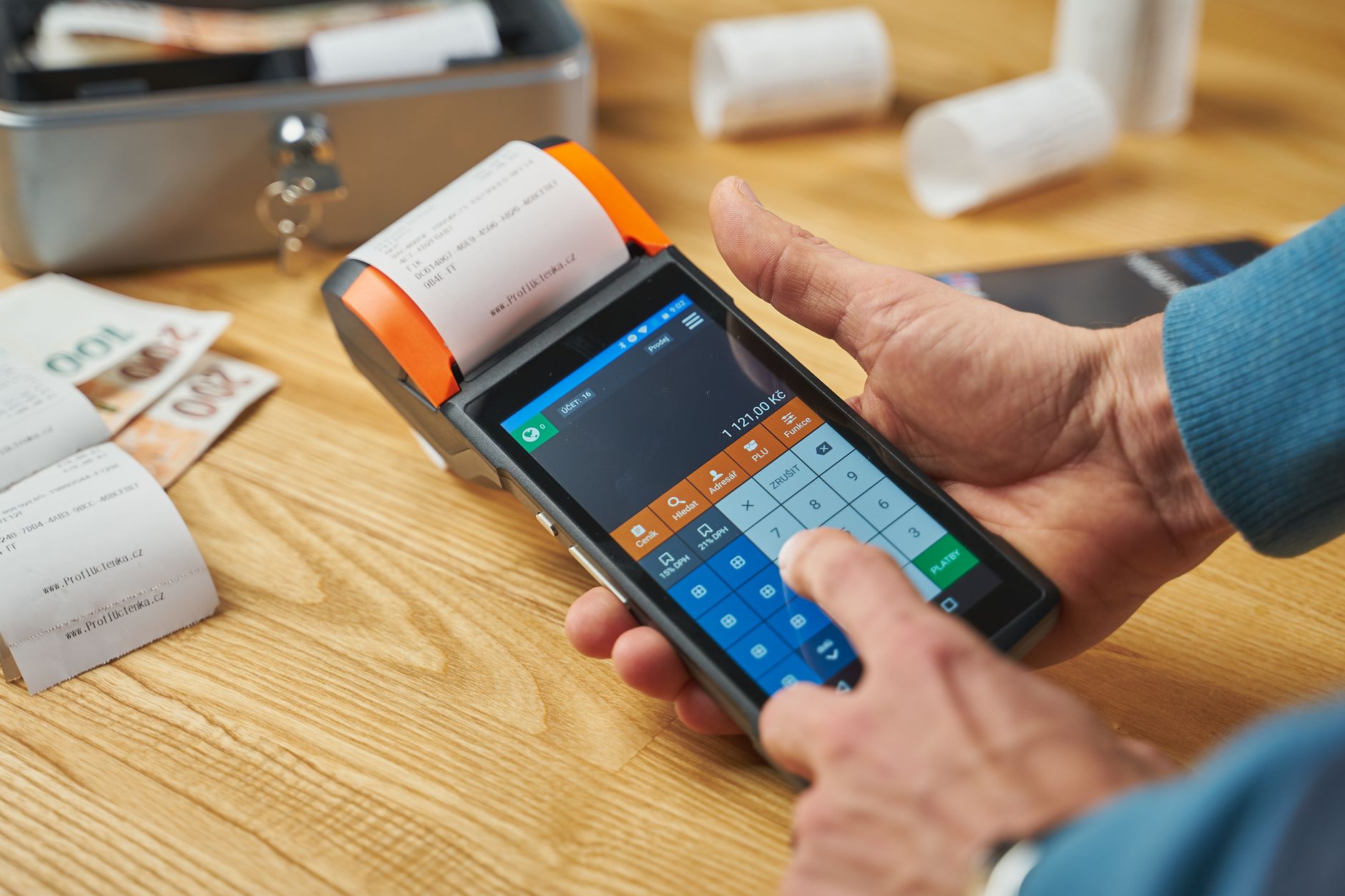
Understanding E-Invoicing in the UAE: Your Essential Explainer and Deep Dive into Common Questions
The landscape of business transactions in the UAE is on the cusp of a significant transformation with the impending mandate for e-invoicing. This isn't just about digitizing a paper process; it's a move towards a more efficient, transparent, and compliant financial ecosystem. Businesses operating within the Emirates, regardless of their size or sector, need to grasp the nuances of this shift to avoid potential penalties and, more importantly, to leverage the opportunities it presents for streamlined operations. Our comprehensive guide delves into the core principles of UAE e-invoicing, explaining what it is, why it's being implemented, and when you can expect to see these changes come into full effect. We'll explore the regulatory framework, the technologies involved, and provide a clear roadmap for your business's transition.
Beyond the foundational understanding, this section aims to address the most common and pressing questions that arise when confronting a change of this magnitude. We understand that compliance can be complex, and practical implementation often throws up unexpected challenges. Therefore, we've compiled a list of frequently asked questions, covering everything from specific data requirements and interoperability with existing accounting software to security protocols and dispute resolution mechanisms. For instance, are you wondering about
- the eligible formats for e-invoices?
- the process for correcting an error?
- the implications for international transactions?
E-invoicing for trading firms streamlines financial operations by automating the exchange and processing of invoices, reducing manual errors and accelerating payment cycles. This digital transformation enhances efficiency and compliance, offering significant benefits for businesses operating in the fast-paced trading sector. For more information about e-invoicing for trading firms, including how it can be tailored to meet specific industry needs, explore comprehensive solutions designed to optimize your financial workflows and improve overall operational effectiveness.
Beyond Compliance: Practical Strategies for UAE Trading Firms to Master E-Invoicing and Unlock Efficiency
The UAE's transition to e-invoicing isn't merely a regulatory hurdle; it's a pivotal opportunity for trading firms to redefine their operational efficiency and competitive edge. Moving beyond a basic compliance mindset means strategically integrating e-invoicing solutions that offer more than just submission capabilities. Firms should prioritize platforms that provide real-time visibility into transaction lifecycles, automate reconciliation processes, and seamlessly integrate with existing ERP systems. This proactive approach allows businesses to minimize manual data entry errors, accelerate payment cycles, and significantly reduce operational costs associated with traditional paper-based invoicing. Furthermore, leveraging advanced analytics from e-invoicing data can provide invaluable insights into purchasing patterns, supplier performance, and customer payment behaviors, empowering informed decision-making and fostering stronger financial health.
To truly master e-invoicing, UAE trading firms must adopt a holistic strategy that encompasses technology, process optimization, and staff training. This includes:
- Selecting the right e-invoicing provider: Choose a solution that is scalable, secure, compliant with local regulations, and offers robust integration capabilities.
- Streamlining internal workflows: Re-evaluate existing invoicing processes to identify bottlenecks and areas for automation, ensuring a smooth transition to digital.
- Investing in staff training: Equip your finance, sales, and IT teams with the knowledge and skills to effectively utilize the new e-invoicing system and troubleshoot common issues.