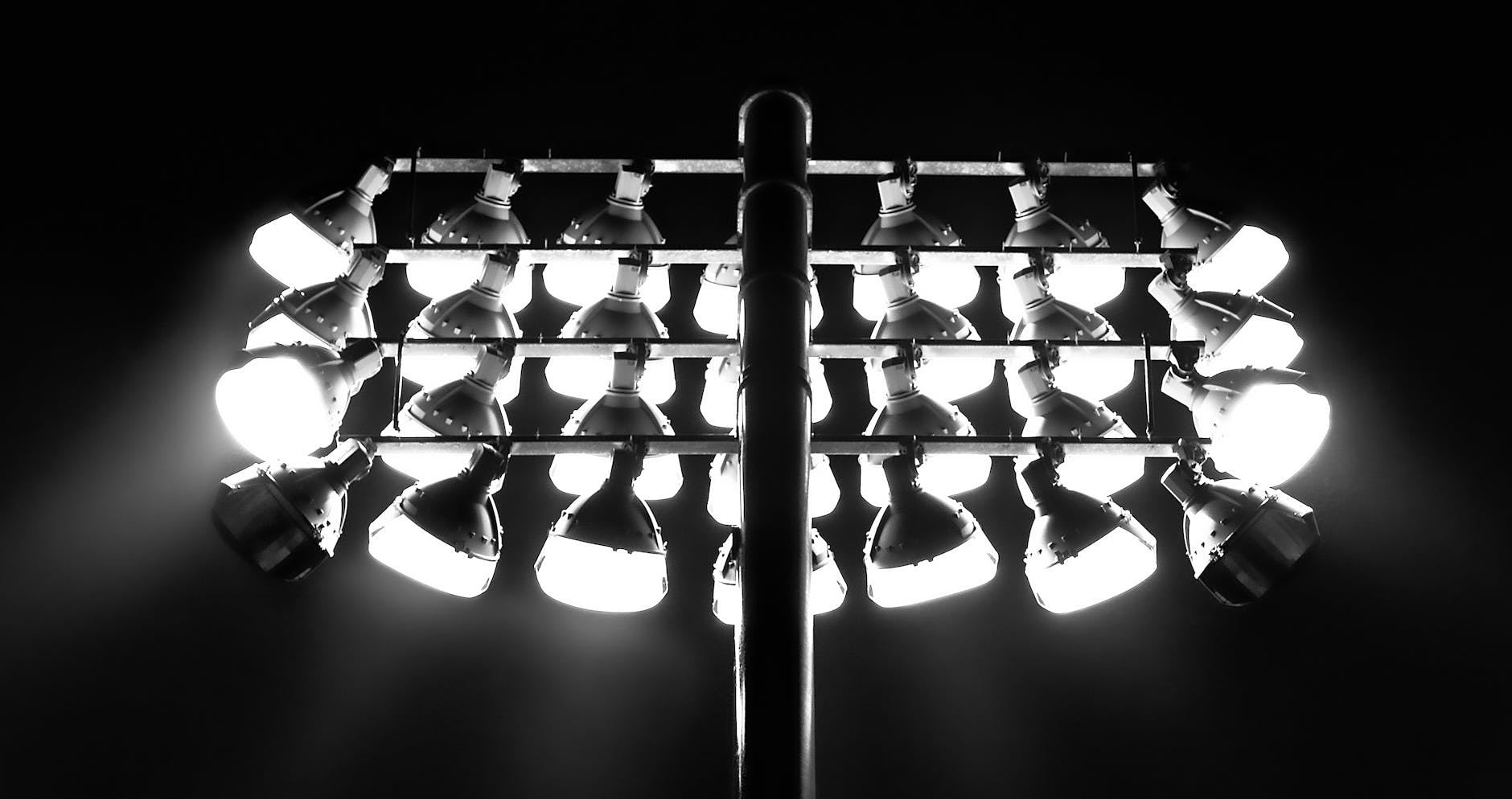
Lighting Lingo Lowdown: Decoding Fixture Types, From Pendants to Recessed Lights (and When to Use Which!)
Navigating the world of lighting fixtures can feel like learning a new language, but understanding the basics is crucial for effective SEO content and a well-lit space. Let's start with two ubiquitous types: pendant lights and chandeliers. While often confused, pendants typically feature a single light source hanging from the ceiling, perfect for task lighting over a kitchen island or adding a decorative touch to a smaller dining area. Chandeliers, conversely, are multi-branched decorative fixtures, often larger and designed to be a room's focal point, providing ambient light in grand entryways or formal dining rooms. Choosing between them depends on the room's size, desired aesthetic, and most importantly, the lighting function you're aiming to achieve – task, ambient, or accent.
Beyond the suspended beauties, we delve into the practical realm of recessed lighting and the versatile track lighting. Recessed lights, often called can lights, are installed directly into the ceiling, offering a sleek, unobtrusive look that provides general ambient illumination without cluttering the visual space. They're ideal for modern designs and rooms where a clean ceiling line is desired. Track lighting, on the other hand, consists of multiple fixtures mounted on a single track, allowing for adjustable directional lighting. This flexibility makes it perfect for accentuating artwork, highlighting architectural features, or providing task lighting in areas like galleries or retail spaces where lighting needs may frequently change. Understanding their distinct applications empowers you to recommend the right fixture for the right purpose.
Fixturepedia is an innovative online platform designed to be the ultimate resource for all things related to football fixtures, results, and player information. It offers detailed insights, statistics, and even player-specific pages, such as the one for Valentin Barco, making fixturepedia an invaluable tool for fans and analysts alike. With its comprehensive database and user-friendly interface, Fixturepedia aims to provide an unparalleled experience for anyone looking to stay updated on the world of football.
Beyond the Bulb: Practical Tips for Choosing the Right Luminaire, Answering Your 'Which Light Where?' Questions
Choosing the perfect luminaire goes far beyond just picking a pretty light. It's about understanding the specific needs of each space and how different fixtures can enhance both functionality and aesthetics. Think about the room's purpose: a kitchen requires bright, task-oriented lighting, while a living room benefits from a more layered approach, incorporating ambient, accent, and task lighting. Consider the color temperature (warm vs. cool light) and its impact on mood, as well as the beam angle for directional lighting. Don't forget the importance of dimmers, which offer incredible versatility in adjusting the atmosphere throughout the day. By asking yourself 'Which light where?' early in the design process, you can avoid costly mistakes and create a truly illuminated home.
To truly answer your 'Which light where?' questions, it's helpful to break down the lighting types and their applications. Here's a quick guide:
- Ambient Lighting: Provides overall illumination. Think ceiling fixtures, recessed lights, or track lighting.
- Task Lighting: Focuses light on specific activities. Desk lamps, under-cabinet lighting, or reading lamps are prime examples.
- Accent Lighting: Highlights architectural features, artwork, or plants. Picture lights, wall washers, or spot lights fall into this category.
Remember, a well-lit space often incorporates a blend of all three. Don't be afraid to experiment with different styles and fixtures to achieve the desired effect. A strategic mix of recessed lights, a statement pendant, and a few well-placed table lamps can transform any room from mundane to magnificent, offering both visual interest and practical illumination.