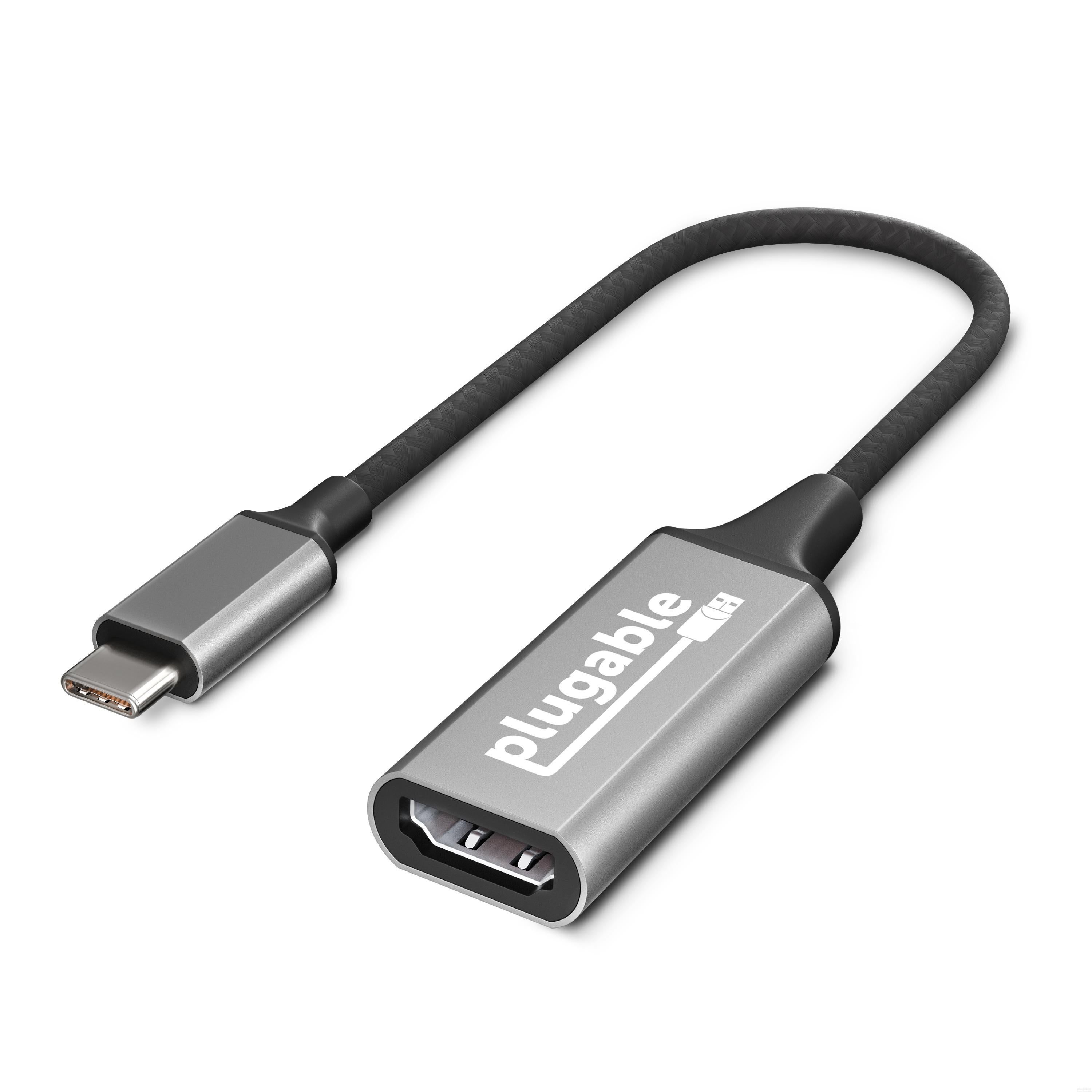
The Ultimate Guide to USB-C: Why It's the Only Charger You Need
The advent of USB-C has revolutionized the way we charge and connect our devices. As the single port designed to handle everything from power delivery to data transfer, USB-C serves as a universal solution for modern gadgets. Gone are the days of cluttered drawers filled with various chargers; with USB-C, you can use one cable to charge smartphones, laptops, tablets, and even some gaming consoles. This means not only less hassle but also a more sustainable approach to technology—fewer cables in landfills and less environmental impact overall.
One of the standout features of USB-C is its speed and efficiency. With the capability to deliver up to 100 watts of power, you can quickly charge even the most power-hungry devices, significantly reducing downtime. Additionally, USB-C supports data transfer rates of up to 10 Gbps, making it ideal for transferring large files quickly. Whether you're a professional requiring high-speed data access or a casual user looking to charge your phone, USB-C stands out as the only charger you will ever need. The simplicity and versatility of this technology make it a smart choice for anyone looking to streamline their tech experience.
Counter-Strike is a popular tactical first-person shooter game that has captivated players since its inception. Players can choose to be part of the terrorist or counter-terrorist team, engaging in various objectives like bomb defusals or hostage rescues. For those looking to enhance their gaming experience, exploring the Top 10 Fast Chargers for Android Devices can provide useful insights into improving device performance during intense gaming sessions.
Common Myths About USB-C: Debunking the Myths Behind the Universal Charger
One of the most pervasive myths about USB-C is that all USB-C cables and ports are created equal. In reality, there is a significant variance in functionality and quality. For example, some cables only support basic data transfer, while others can handle fast charging and high-definition video output. It’s essential to look for USB-C specifications such as USB 3.1 or Thunderbolt 3 to ensure that you’re getting the performance you need from your devices. Users often assume that any USB-C accessory will deliver the same level of performance, which can lead to frustration when devices don’t sync or charge as expected.
Another common misconception is that a USB-C charger will work perfectly with all devices. While USB-C is designed to be a universal connector, compatibility is not guaranteed across all devices. Factors such as power delivery and device requirements play a crucial role in determining whether a specific charger will charge a device efficiently. For instance, using a charger that doesn’t match a device’s power needs can result in slower charging speeds or, in some cases, no charging at all. Always check the specifications before assuming that any USB-C charger will suit your needs.
Is USB-C the Future of Charging? Exploring Its Benefits and Advantages
The emergence of USB-C as a universal charging standard has sparked significant discussions about its potential to shape the future of charging. Unlike its predecessors, USB-C offers a reversible design that simplifies the user experience, allowing devices to be charged in either orientation. Furthermore, the capability for faster data transfer speeds and power delivery—up to 100W—positions USB-C as a versatile option for various devices, from smartphones to laptops. As tech companies increasingly adopt this standard, we may witness a global shift towards a single, multifunctional cable that reduces electronic waste and enhances convenience for consumers.
Among the many benefits of USB-C, interoperability stands out. This means that users can utilize the same cable for charging and connecting a range of devices, helping to streamline the charging process and minimize clutter. Additionally, USB-C supports various protocols, making it compatible with various peripherals and gadgets. The shift to a universal charging solution not only promotes sustainability by lowering the amount of discarded cables and chargers but also aims to create a more cohesive tech ecosystem. As we look to the future, it is clear that the advantages of USB-C may very well lead it to become the predominant charging standard worldwide.