Top 5 Myths About Portable Chargers Debunked
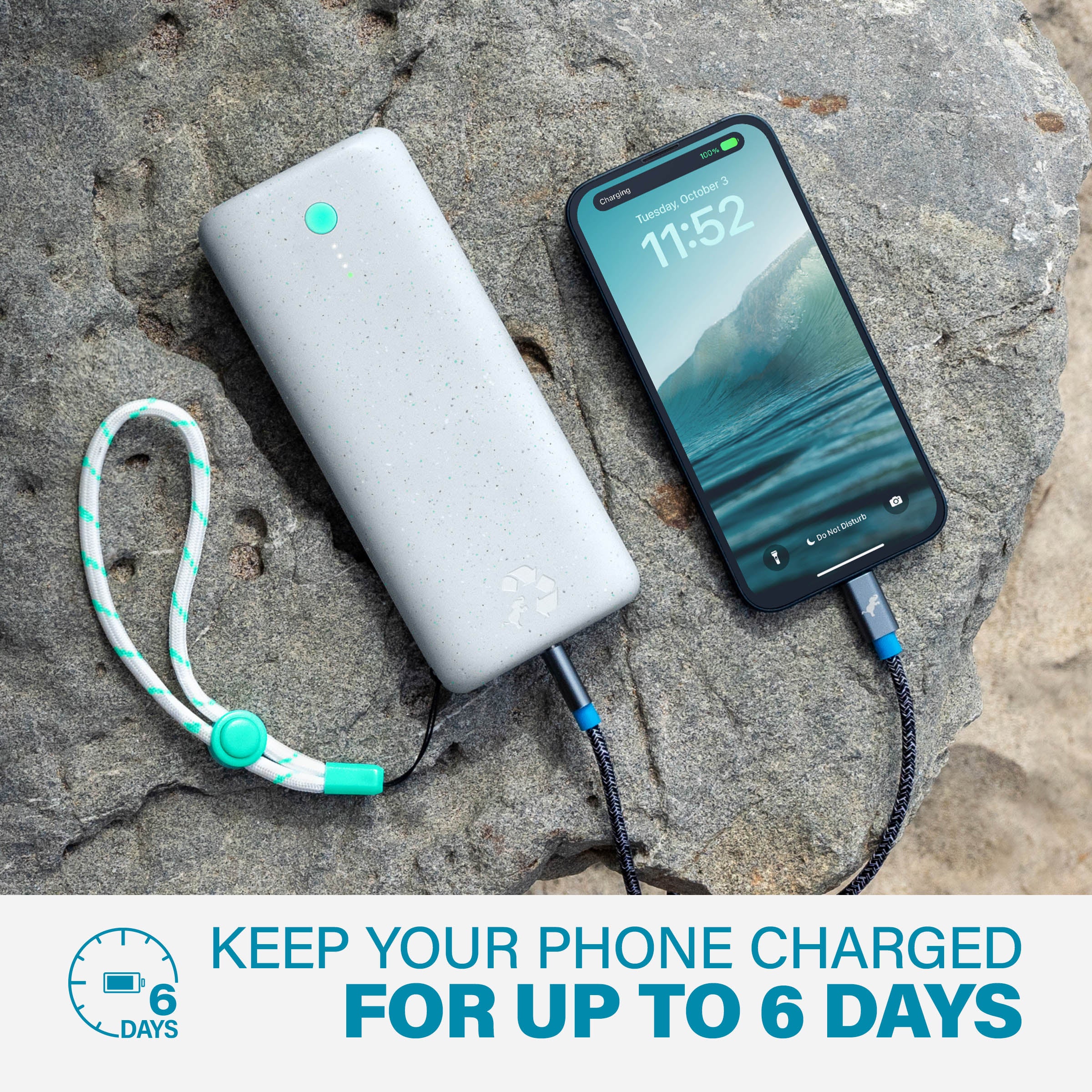
When it comes to portable chargers, misconceptions abound, leading to confusion among consumers. One prevalent myth is that all portable chargers are universally compatible with every device. In reality, compatibility can vary significantly; some chargers are optimized for specific devices, while others may have limitations based on output voltage or connector type. It's crucial for users to check their device specifications and the charger's details to ensure they match before making a purchase.
Another common myth is that a higher capacity portable charger means faster charging. This is misleading, as the speed of charging is determined not only by the charger’s capacity but also by the device's capabilities and the cable used. It's essential to understand that while a larger capacity charger can hold more power, it does not necessarily deliver that power at a higher rate. Thus, factors such as charging speed and cable quality play a significant role in overall performance.
Counter-Strike is a popular first-person shooter franchise where players engage in tactical team-based combat. The game emphasizes strategy, teamwork, and skill, making it a thrilling experience for players around the world. In addition to gaming, having the right accessories can enhance your experience; for instance, you might want to check out the Top 10 magsafe power banks to ensure your devices stay charged during long gaming sessions.
How to Choose the Right Portable Charger for Your Devices
Choosing the right portable charger for your devices can greatly enhance your mobile experience, especially when you’re on the go. First, consider the battery capacity, often measured in milliampere-hours (mAh). The higher the mAh, the more power the charger can store. For basic smartphones, a charger with at least 10,000 mAh is typically sufficient to fully charge your device at least once, while tablets and larger devices might require chargers with a capacity of 20,000 mAh or more. Besides capacity, look for features like fast charging capabilities and multiple output ports, which allow you to charge multiple devices simultaneously.
Another crucial factor is the compatibility of the charger. Make sure it supports the type of charging your devices require, whether it's USB-C, Lightning, or Micro-USB. Additionally, some chargers come equipped with smart technology that can detect your device's charging needs and adjust the output accordingly. Finally, consider the weight and size of the charger. If you need something for daily use or travel, look for a lightweight and compact option that easily fits into your bag without adding unnecessary bulk. By evaluating these factors, you can confidently select the right portable charger to keep your devices powered up and ready to go.
The Evolution of Portable Chargers: From Basic Batteries to Smart Tech
The journey of portable chargers has been nothing short of remarkable, evolving from simple battery packs to sophisticated and intelligent devices. In the early days, portable chargers were quite basic, often comprising a standard battery with limited capacity and compatibility. These rudimentary devices were primarily designed to provide emergency power to mobile phones and other small electronics. However, as technology advanced, the demand for more efficient and powerful charging solutions emerged, leading to innovations such as fast charging and solar-powered options.
Today, portable chargers have transformed into smart tech that can not only charge multiple devices simultaneously but also communicate with them to optimize the charging process. Modern chargers feature technologies like USB-C Power Delivery, allowing for quicker charge times and broad compatibility across various devices, from smartphones to laptops. Moreover, many portable chargers are now integrated with features such as wireless charging capabilities and digital displays that provide real-time feedback on remaining battery life. This evolution reflects not only advancements in technology but also the changing needs of consumers in our increasingly mobile world.